GI Motility and GLP-1: Understanding the Complex Relationship
The use of glucagon-like peptide-1 receptor agonists (GLP-1RAs) has become increasingly popular in the treatment of type 2 diabetes and obesity. However, one of the significant concerns associated with GLP-1RAs is their impact on gastrointestinal (GI) motility. GI motility refers to the movement of food through the digestive system, and alterations in this process can lead to a range of adverse effects, including nausea, vomiting, early satiety, dyspepsia, and bowel habit changes.
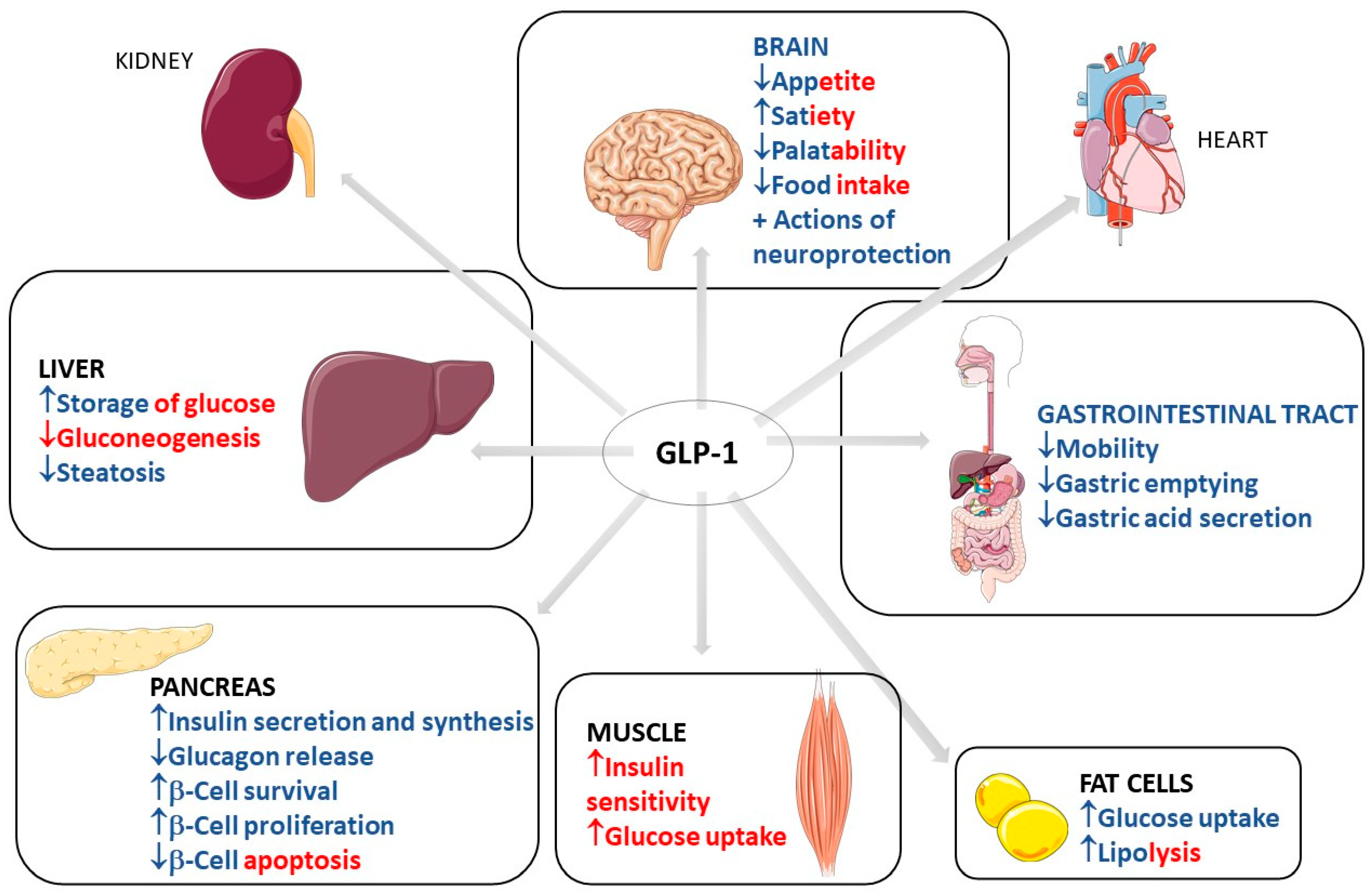
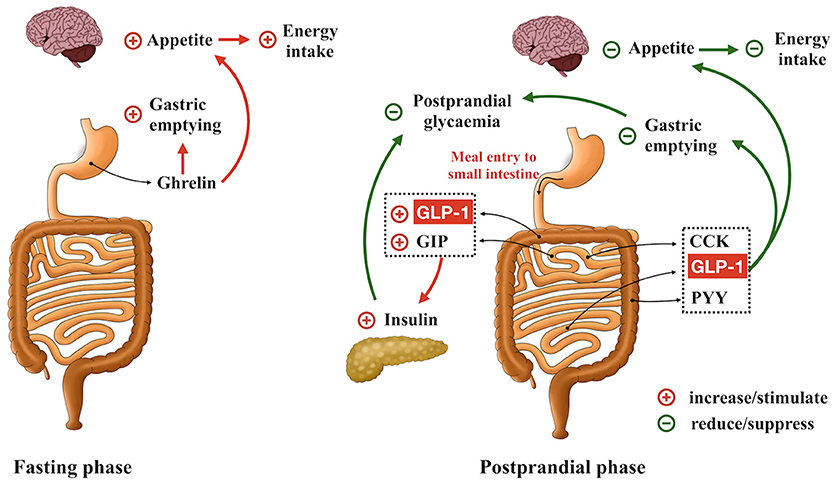
GLP-1RAs alter gastrointestinal motility at all levels of the GI tract, with delayed gastric emptying being the most well-characterized effect. This means that food takes longer to pass through the stomach and into the small intestine, leading to a range of symptoms. The exact mechanism by which GLP-1RAs affect GI motility is not fully understood, but it is thought to involve the activation of GLP-1 receptors in the gut, which triggers a cascade of neural signals that slow down the movement of food through the digestive system.
The Impact of GLP-1RAs on GI Motility
Studies have shown that GLP-1RAs can affect GI motility in a number of ways, including:
- Delaying gastric emptying: GLP-1RAs slow down the movement of food from the stomach into the small intestine, leading to nausea, vomiting, and early satiety.
- Slowing small bowel transit: GLP-1RAs also slow down the movement of food through the small intestine, leading to changes in bowel habits and potentially leading to constipation.
- Affecting colonic motility: GLP-1RAs may also affect the movement of food through the colon, leading to changes in bowel habits and potentially leading to constipation or diarrhea.

Consequences of Altered GI Motility
The consequences of altered GI motility can be significant, including:
- Nausea and vomiting: These are common symptoms of delayed gastric emptying and can be debilitating for some patients.
- Early satiety: This can lead to weight loss, particularly if patients are unable to eat enough to meet their nutritional needs.
- Dyspepsia: This refers to a range of symptoms, including bloating, discomfort, and pain in the upper abdomen.
- Bowel habit changes: These can include changes in the frequency, consistency, and quality of bowel movements.
Managing GI Motility Side Effects
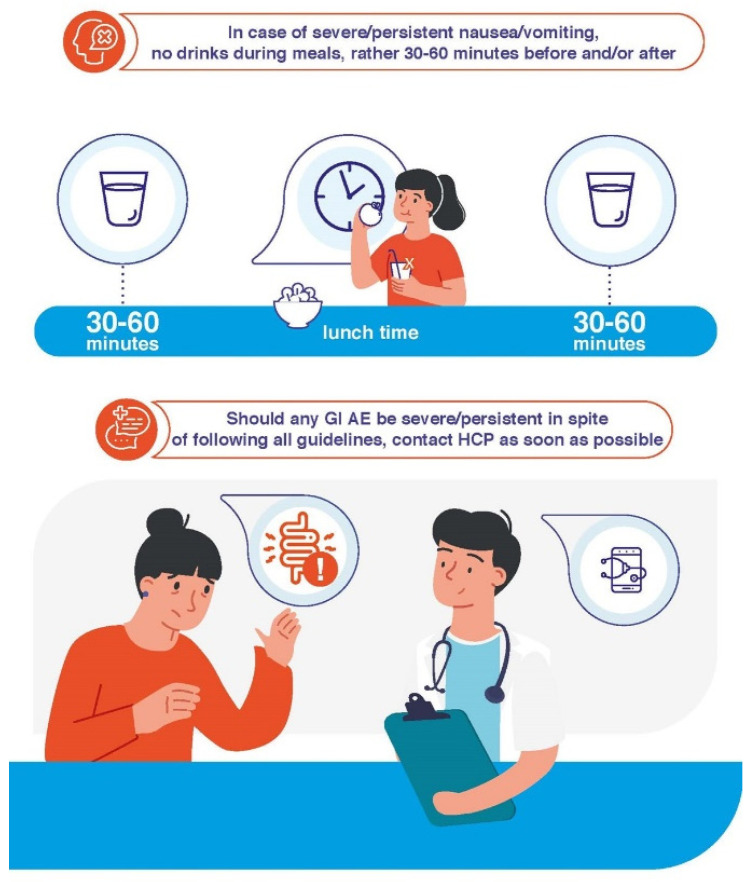
Fortunately, there are several strategies that can help manage GI motility side effects, including:
Conclusion
In conclusion, the relationship between GI motility and GLP-1 is complex and multifaceted. GLP-1RAs can affect GI motility in a number of ways, leading to a range of adverse effects. However, by understanding the mechanisms by which GLP-1RAs affect GI motility, we can develop strategies to manage these side effects and improve patient outcomes.